Receiving Wholesale Metal Sculptures: A Practical Inspection Checklist
Check cartons, finishes, projecting details and assembly parts when wholesale metal sculptures arrive. Build a clear inspection record before stocking.

A sculpture can look right in a supplier photograph yet arrive with a bent detail, a rubbed finish or a missing assembly part. For a retailer receiving metal home sculptures, the useful question is more specific than “Does it look good?” It is “Does this shipment match the approved sample, and can each piece be prepared for sale?”
A repeatable receiving check makes those questions easier to answer. It also gives the supplier a clearer description when something needs attention.
Agree on what you will compare
Before dispatch, keep the approved product photographs, SKU list and packing information together. Ask which parts are removable, what assembly is required and whether any finish variation is expected.
Do not treat every visible difference as acceptable handmade variation. Agree on examples with the supplier: a slight difference in painted shading is a different issue from an incorrect color, an unstable base or a disconnected component.
Your inspection record should distinguish appearance, completeness and function. A piece may pass one check and fail another.
Record the carton before opening it
Photograph the shipping label and any crushed corners, tears or signs of moisture. Note which carton contains the affected SKU. Keep the packaging until the delivery has been checked and any reported issue has been resolved.
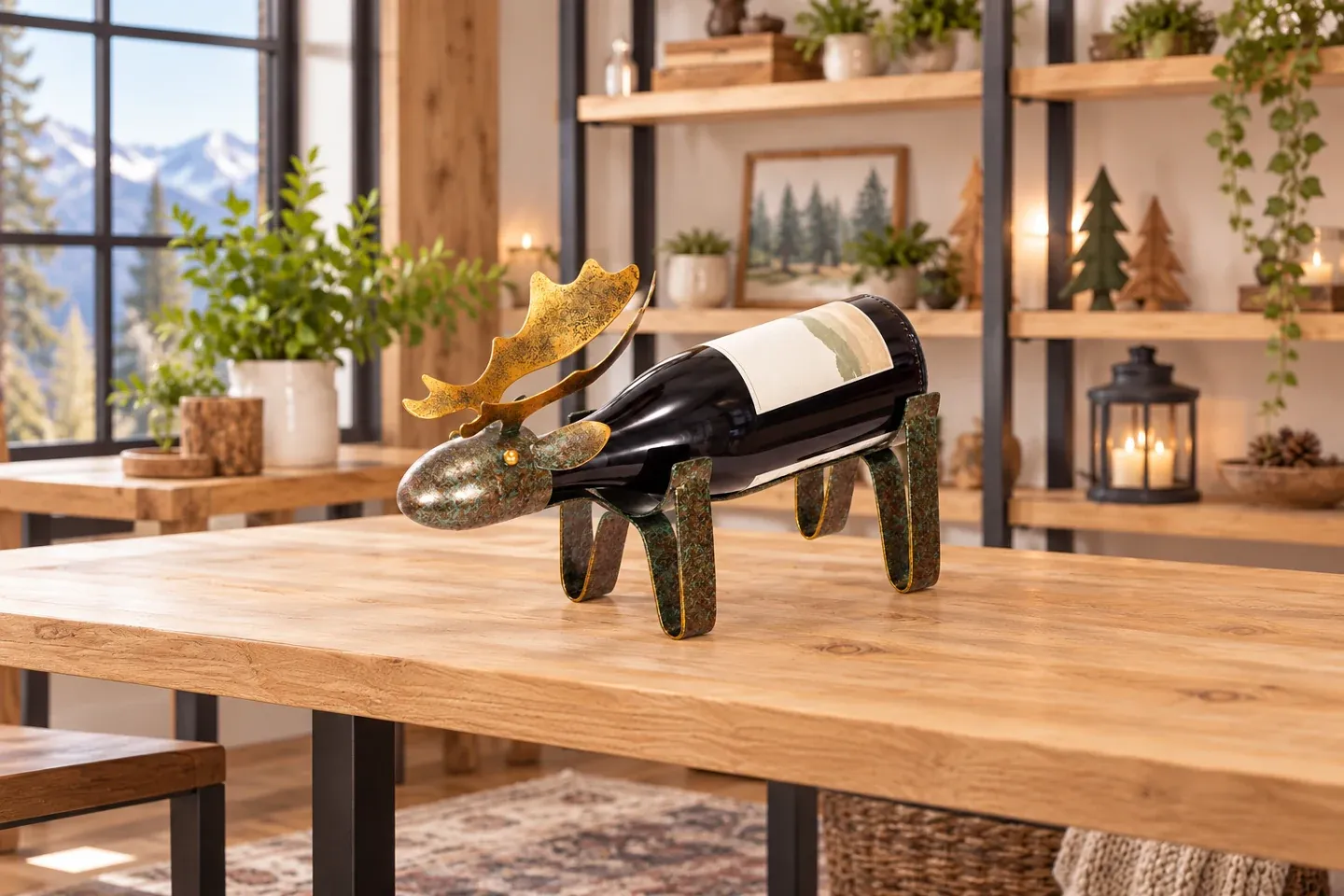
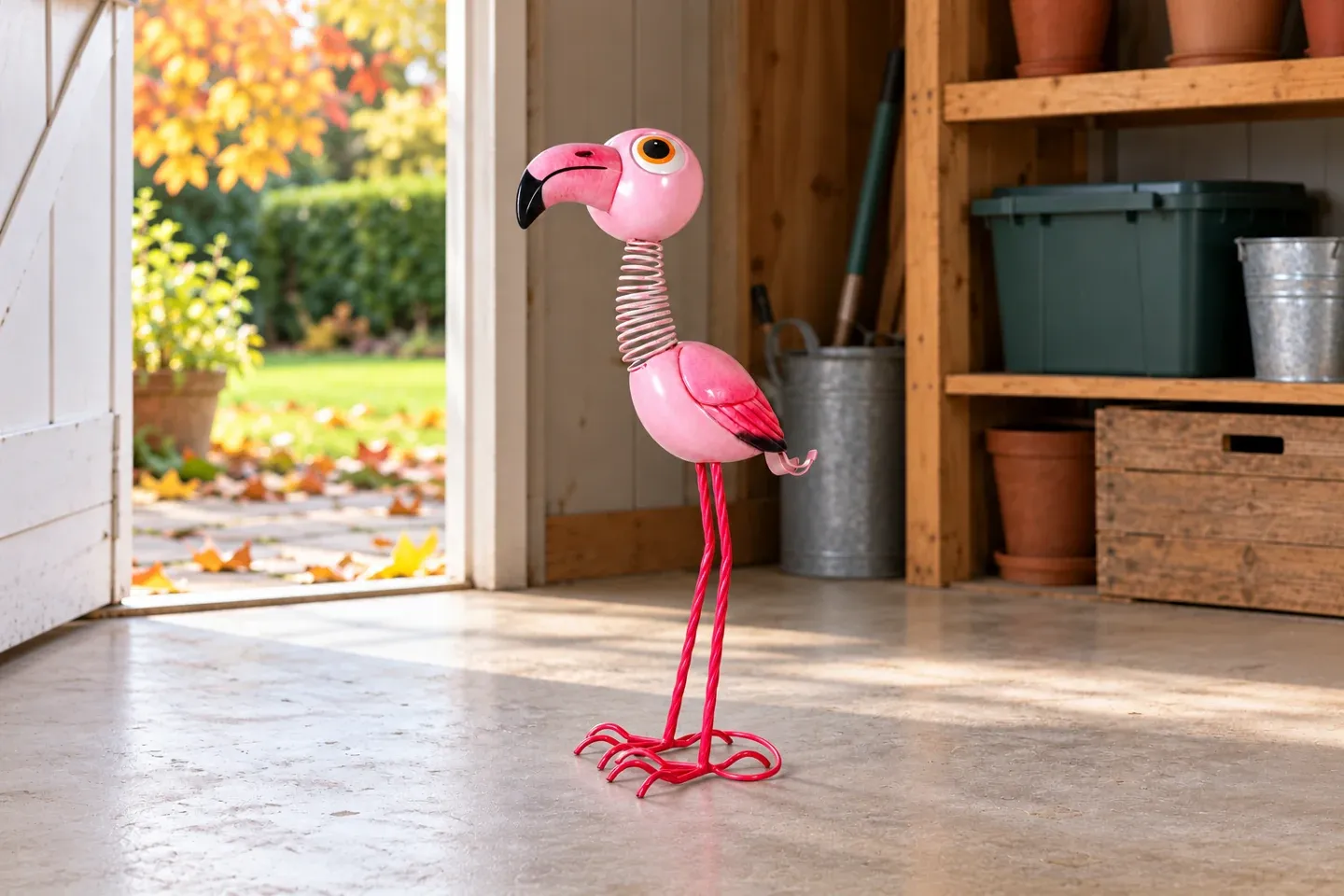
Open carefully, without cutting toward the product. A projecting beak, antler or ribbon-shaped detail may sit closer to the carton wall than the broad body of the sculpture. For an example of a design with projecting ribbons, see the A144 abstract metal ribbon sculpture.
If several products share a carton, check whether their packaging keeps them separated. General carrier guidance emphasizes suitable cushioning and limiting movement; the correct arrangement still depends on the individual product and shipping method.
Inspect the details that photographs can hide
Place the piece on a suitable clear surface and compare it with the approved reference. Work around it rather than checking only the front.
Look for finish scuffs where separate parts may have touched, unexpected bends in narrow features, loose connections and missing accessories. Check the underside and contact points as well as the most decorative surfaces.
For a freestanding statue, check its intended support points on a level surface. For an item supplied with a stake, hook or separate base, compare the components with its instructions. Do not improvise repairs or force a component into position during inspection.
Keep findings specific
“Damaged sculpture” gives a supplier little to investigate. A more useful report identifies the SKU, carton, affected quantity, location of the issue and supporting photographs.
Separate a close-up from a photograph showing the entire item. Keep your wording factual: “paint rubbed at the contact point” is clearer than guessing when or how the damage occurred.
Follow the agreed inspection and reporting terms. For a larger delivery, agree on an appropriate inspection or sampling procedure before shipment rather than choosing one after a problem appears.
Turn the first delivery into a better reference
Once the shipment is accepted, retain photographs of the product and its packing arrangement. These provide a useful comparison for a repeat order, particularly when the collection contains several similar metal statues.
When discussing an order with Mloarts, ask for the current product details, assembly information and packing photographs for the exact models under consideration. A clear receiving checklist starts with a clear purchasing reference.
Further reading
UPS packaging guidance explains general principles for boxes, cushioning and movement control. Product-specific packaging still needs to be assessed separately.