Merchandising Metal Wine Bottle Holders in a Gift Shop
Help shoppers understand decorative metal wine bottle holders with clear display bottles, practical product cards and uncluttered gift shop arrangements.
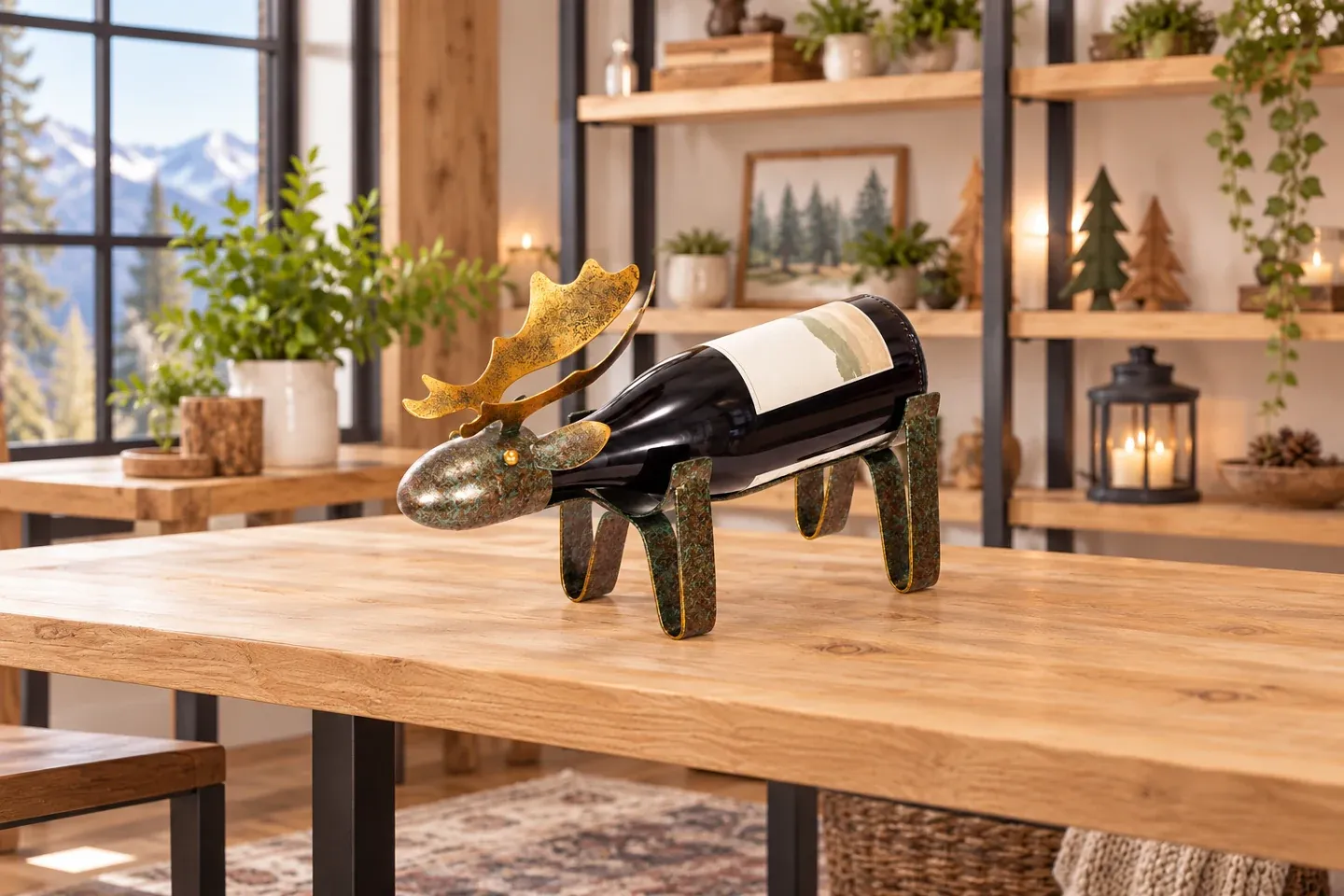
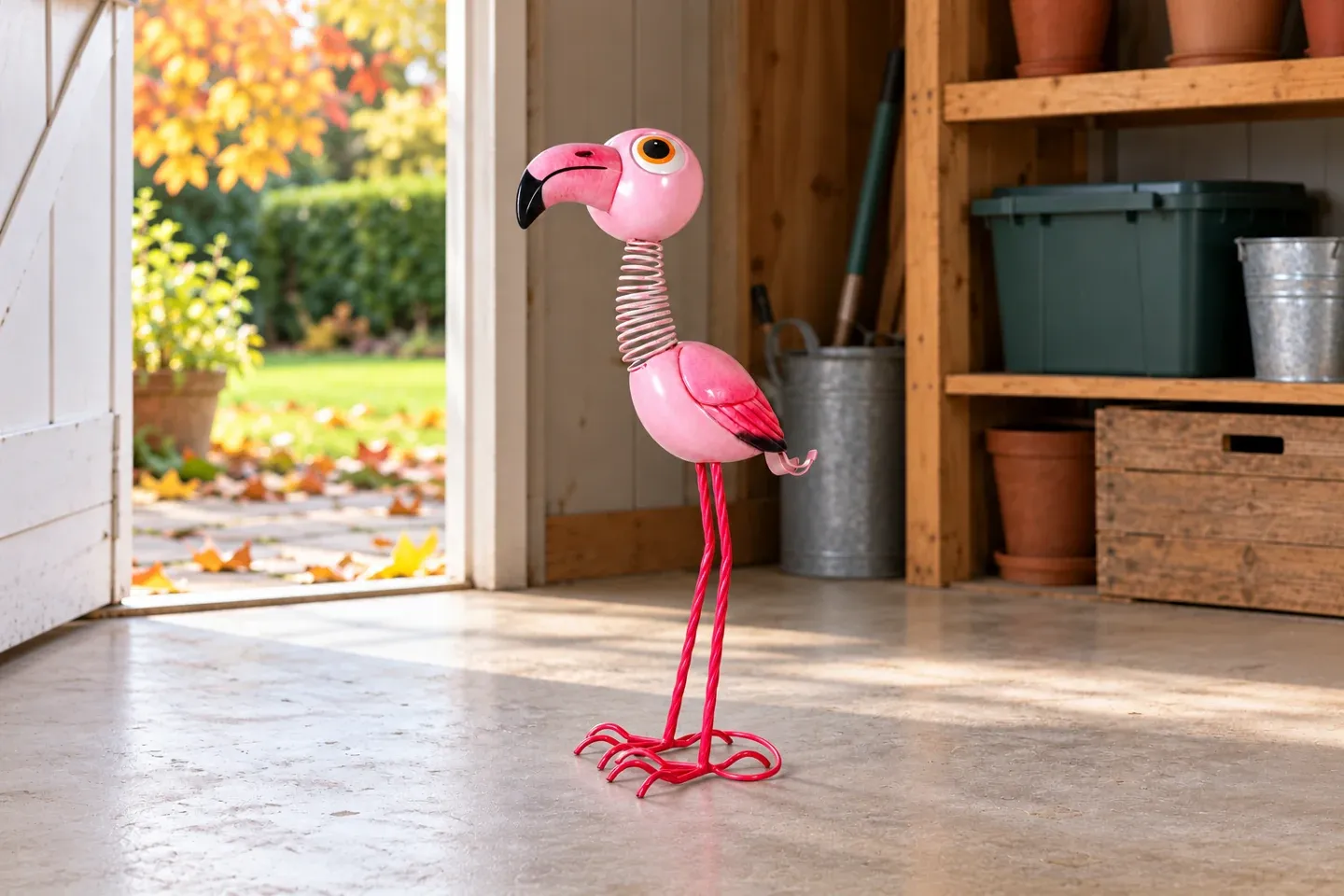
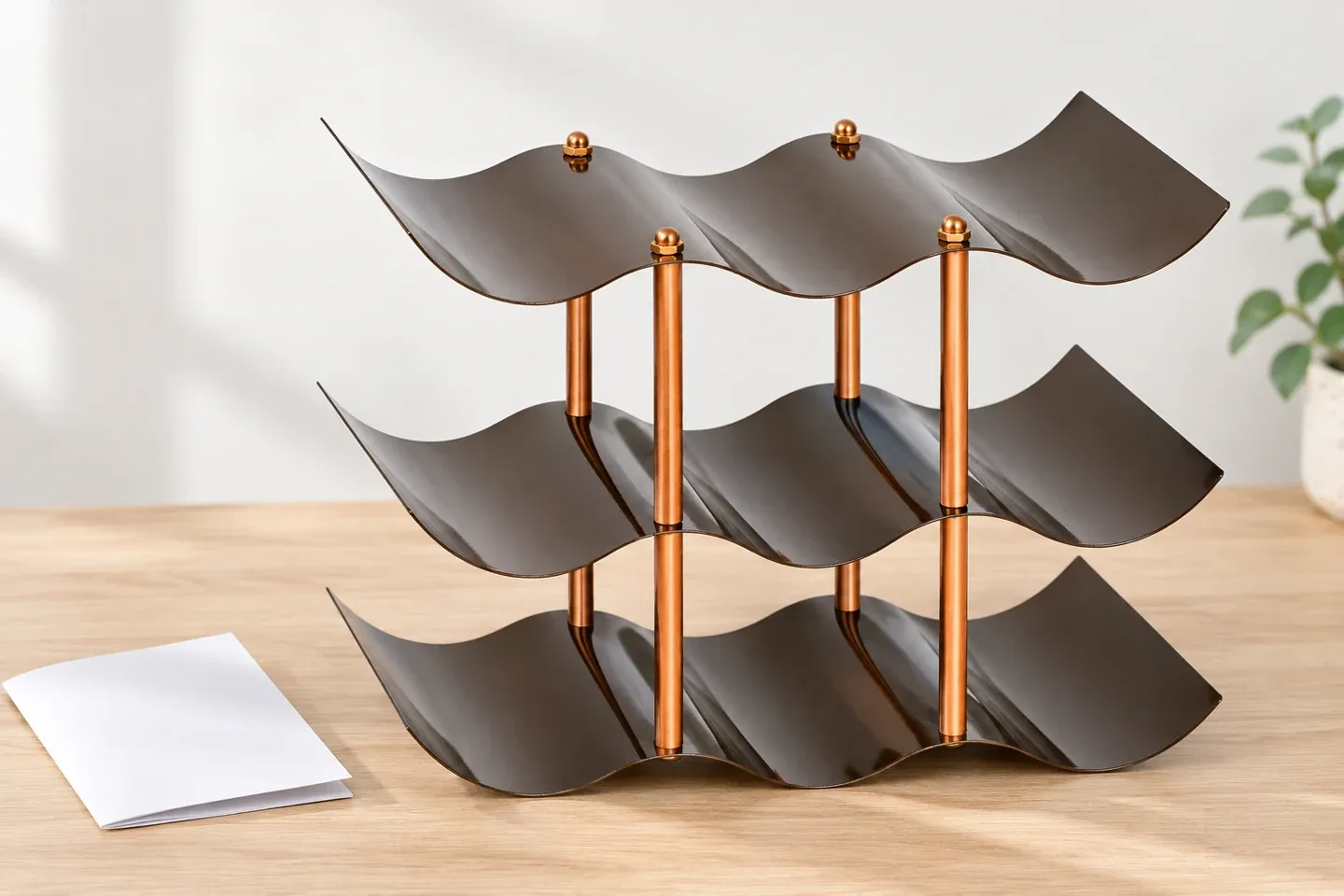
A decorative wine bottle holder has to communicate two things on a retail shelf: its character and its purpose. An animal-shaped design may catch the eye, but a shopper still needs to understand what it holds, how it is assembled and what is included in the price.
For gift shops, that makes the display an explanation as well as an arrangement. The aim is to let customers assess a metal wine bottle holder without having to guess how it works.
Demonstrate the function without hiding the design
Where the product instructions permit, use an empty display bottle that has been checked for fit. Make sure its size and shape suit that particular holder; do not assume all bottles are interchangeable.
Place the holder on a stable, level fixture with enough room for the complete arrangement. Check that the bottle does not conceal the detail that makes the product distinctive. Keep projecting features within the display area rather than over an aisle or shelf edge.
An empty display bottle also avoids introducing liquid into the demonstration. Clearly state whether any bottle shown is included in the purchase.
Put the customer's practical questions on the card
A short product card can explain more than a string of decorative adjectives. Include the verified material, intended bottle capacity, assembly requirement and what comes in the package.
For example, the Mloarts A340 moose-shaped metal wine bottle holder is an iron holder intended for one bottle and supplied for assembly. Those details give a shopper useful information. Exact bottle compatibility should still be checked against the current product information and a physical sample.
Avoid describing a decorative holder as a wine cooler or making claims about preserving wine. Its display role does not establish temperature control or suitability for long-term storage.
Organize the fixture around a buying situation
Instead of filling a shelf with unrelated objects, choose one clear shopping situation: a host gift, an animal-themed present or an addition to a home bar.
Keep the main product easy to identify. Supporting items should help explain the idea without implying they are included. A small sign can separate a suggested pairing from a packaged gift set.
For holiday displays, use removable styling around the holder rather than covering its important features. This allows the same fixture to return to an everyday presentation after the seasonal promotion. It also avoids suggesting that a year-round design is available only for one holiday.
Let shoppers inspect one assembled example
If stock is sold unassembled, an assembled sample can help customers understand the finished shape. Keep the instructions nearby and tell customers that assembly is required before they reach the checkout.
Check the demonstration regularly for loose parts, missing accessories and an incorrectly positioned bottle. Follow the item's instructions when moving it; do not lift the display by a decorative feature.
Record the questions staff hear repeatedly. If several shoppers ask whether a bottle is included, revise the card. If they cannot see how the holder works, adjust the demonstration before adding more promotional text.
Request the information your display needs
When reviewing Mloarts metal wine bottle holders for a shop, ask for current product photographs, assembly details, packaging information and dimensions for the exact SKU. Build the shelf arrangement around the actual sample rather than a photograph alone.
A useful display gives shoppers enough information to decide whether the piece suits the recipient and the intended space. The decoration attracts attention; the explanation makes the product understandable.