Oct 15, 2026How to art
Wholesale Outdoor Decor | Choosing Iron Garden Sculptures
Buying wholesale outdoor decor? Learn how to select iron garden sculptures for rain resistance, stable placement, and a natural fit with different garden styles.
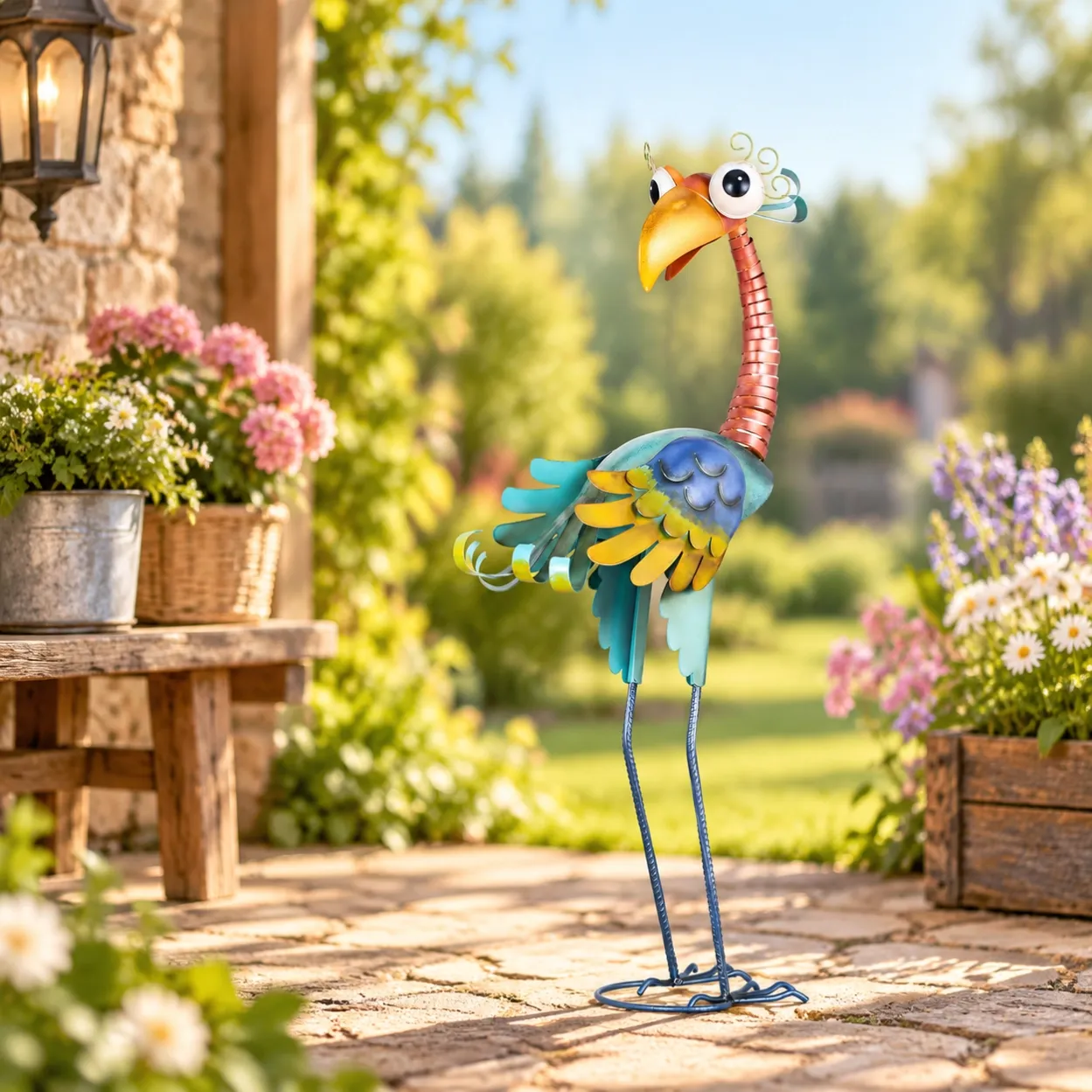
Wholesale Outdoor Decor | Choosing Iron Garden Sculptures
When sourcing wholesale outdoor decor, an attractive design is only the starting point. Buyers also need to know whether an iron garden sculpture can handle rain, remain secure in its intended position, and look at home among the surrounding plants.
These three needs shape a useful buying checklist: weather protection, installation stability, and garden compatibility. Understanding them helps retailers choose products they can describe clearly—and helps customers select sculptures they will enjoy beyond the first season.
1. Rain Resistance: Look Beyond the Surface Finish
Customers often ask whether a garden sculpture is “waterproof.” For an iron ornament, the more useful questions concern corrosion protection, drainage, and maintenance.
A decorative finish alone does not explain how a product will perform outdoors. Buyers need details about the metal underneath, its protective treatment, and the conditions for which the finished item is intended.
Check the Material and Protective Treatment
Before placing an order, ask the supplier:
- Is the sculpture made from wrought iron, cast iron, or fabricated steel?
- What surface preparation and protective coating are used?
- Are welds, joints, edges, and the underside protected?
- Can hollow sections collect water, and how does that water drain?
- What care is required if the coating becomes scratched?
The Galvanizers Association explains how zinc coatings protect steel in its guide to hot-dip galvanizing for outdoor metalwork. This provides useful background when comparing protection methods, but it does not establish the treatment or performance of an individual sculpture.
Request specifications for the actual item being purchased.
Match Product Claims to the Intended Environment
A sheltered patio, an exposed lawn, and a coastal garden present different conditions. Avoid treating “outdoor suitable” as a promise that an item can remain submerged or withstand every climate without maintenance.
For garden décor wholesale listings, explain the intended placement, cleaning method, and any seasonal storage guidance. If a finish is designed to develop a rusted appearance, describe that clearly and explain whether runoff may mark nearby paving.
Clear care information makes the product easier to buy with confidence.
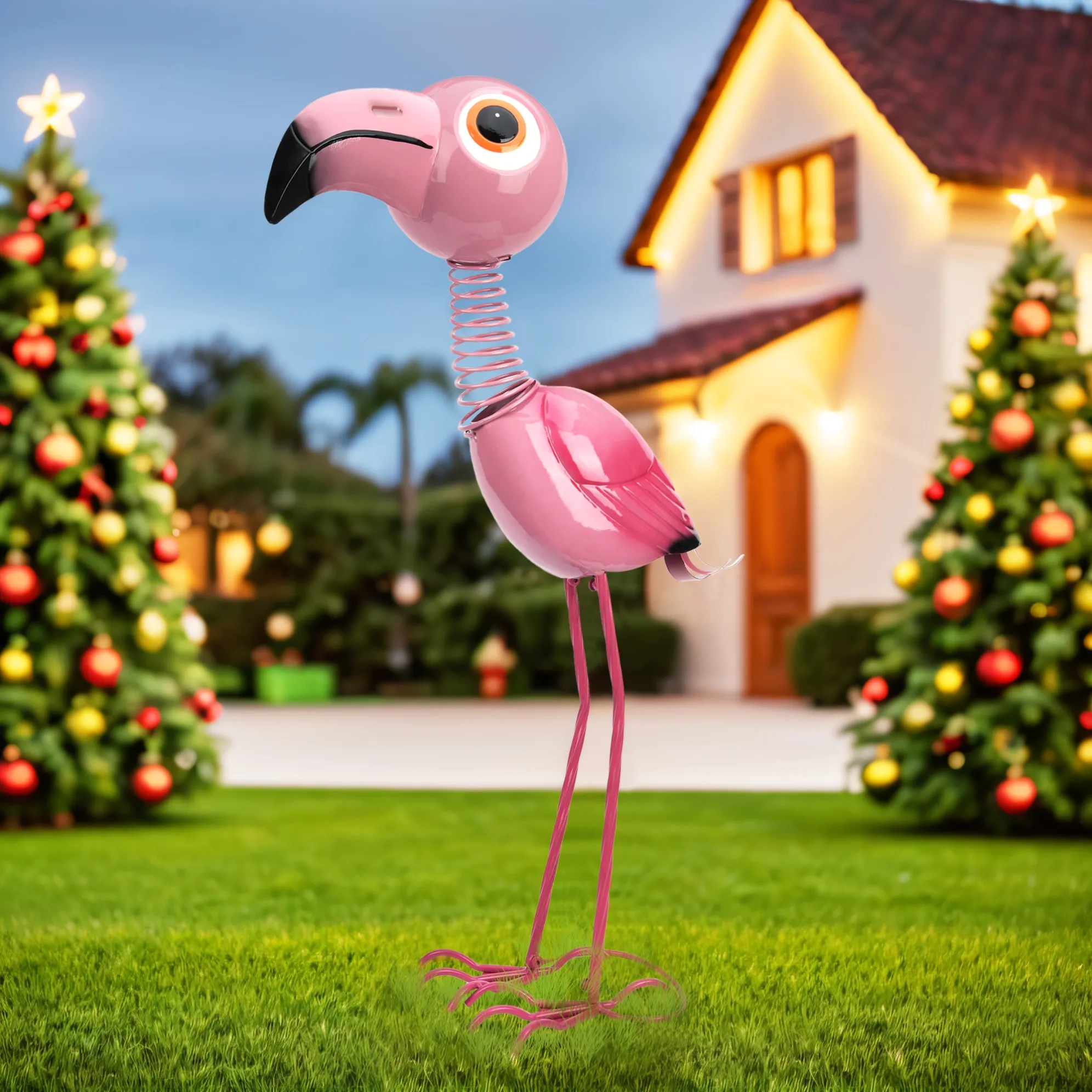
2. Stable Placement: Match the Base to the Ground
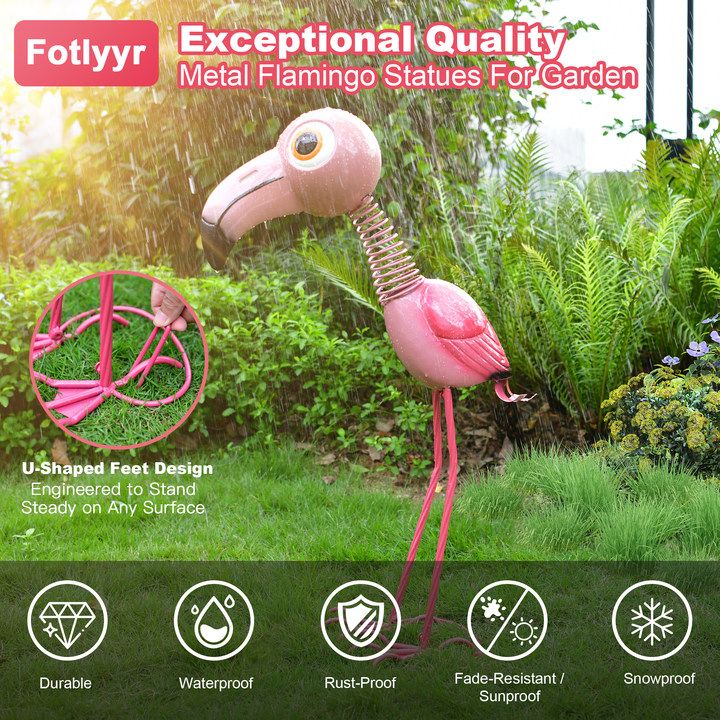
A sculpture may stand comfortably on a showroom floor yet need additional securing in a garden. Stability depends on its shape, base, installation surface, exposure, and fixing method—not simply its weight.
Tall designs and broad decorative panels deserve particular attention because their shape can make wind exposure more significant.
Ask How Each Sculpture Should Be Installed
- Soil placement: Check whether ground stakes are supplied and what installation instructions apply.
- Paving or concrete: Ask whether the base has fixing holes and whether suitable anchors must be purchased separately.
- Decking: Confirm whether installation is permitted and how the sculpture should be secured to the supporting structure.
- Freestanding display: Request guidance on suitable surfaces, exposure limits, and any additional securing requirements.
Do not assume that a larger or heavier base guarantees stability. For tall, heavy, or publicly accessible installations, obtain site-specific installation advice.
Include Installation Details in the Product Listing
For wholesale house supplies buyers expanding into garden accessories, useful product information includes:
- Overall dimensions and weight.
- Base dimensions and fixing points.
- Included hardware.
- Assembly and installation instructions.
- Recommended placement and care requirements.
Show the base in product photographs. Customers need to understand how a sculpture stands as well as how it looks.
3. Garden Compatibility: Give Every Sculpture a Setting
A sculpture should have a clear role in the garden. It might draw attention at the end of a path, add a quiet detail beside a planter, or bring interest to a seating area.
Scale, colour, silhouette, and surrounding plants all affect whether the piece feels connected to its setting.
The Royal Horticultural Society’s Japanese garden design guide for ornamental focal points illustrates how ornamental features can contribute to a particular garden style. Buyers can apply the broader principle by selecting pieces with an intended setting in mind.
Choose Designs for Recognisable Garden Styles
Garden setting | Sculpture direction | Details to check |
|---|---|---|
Cottage garden | Birds, flowers, and gently curved forms | Visibility among dense planting |
Modern courtyard | Abstract shapes and clean silhouettes | Proportion, finish, and surrounding space |
Woodland garden | Wildlife and organic forms | Contrast against foliage and shaded areas |
Compact patio | Smaller sculptures near pots or seating | Footprint and clear walking space |
Formal garden | Balanced forms or coordinated pairs | Alignment, spacing, and visual symmetry |
When comparing art wholesalers, request both isolated product images and photographs that show scale in a garden. A close-up communicates craftsmanship; a wider scene helps customers imagine placement.
Build Coordinated Displays
Retailers sourcing wholesale housewares can connect indoor and outdoor collections through a shared colour palette or material finish.
For example, a bird sculpture might sit beside coordinated planters and a garden bench. Buyers of wholesale wall art decor can extend the same theme onto a nearby sheltered wall, provided each item is suitable for its intended location.
The aim is a coherent setting where every piece has enough space to be seen.
4. Seasonal Buying: Keep Outdoor Requirements Visible
Seasonal designs still need clear installation and care information. Buyers sourcing christmas products wholesale should check whether each item is intended for indoor display, sheltered outdoor use, or a more exposed position.
When comparing wholesale christmas products, ask how finishes and detachable parts should be protected during storage. Retailers buying wholesale for christmas can also look for winter-themed designs that coordinate with existing planters, lighting, and entrance displays.
Apply the same checks to other wholesale holiday decor: confirm the intended environment, securing method, assembly process, and storage instructions before planning a display.
5. A Practical Checklist Before Ordering
Before committing to a collection, review a representative sample and confirm:
- Material: The metal and finish are accurately identified.
- Weather protection: Treatment, care requirements, and use limitations are documented.
- Drainage: Shapes and cavities do not unintentionally retain water.
- Installation: The base and fixing method suit the intended surface.
- Scale: Dimensions are clear and supported by contextual photographs.
- Garden fit: The design has an identifiable setting and styling purpose.
- Packaging: Projections and finished surfaces are protected in transit.
Ask for supporting documents whenever a supplier makes a specific performance claim. A general description such as “weather-resistant” should not replace product-level information.
Choose Sculptures Customers Can Place With Confidence
Successful wholesale outdoor decor starts with three practical questions: How is the metal protected? How will the sculpture be secured? Where will it look right?
Use those questions to guide sourcing, product descriptions, and photography. A well-chosen iron garden sculpture offers more than a decorative shape—it gives customers a clear way to add character to their outdoor space.