Oct 28, 2026How to art
What Is Metal Art? Casting, Engraving and Handmade Ironwork
Discover how metal art is made through casting, engraving and hand fabrication, with a closer look at shaping, welding, grinding and painted finishes.
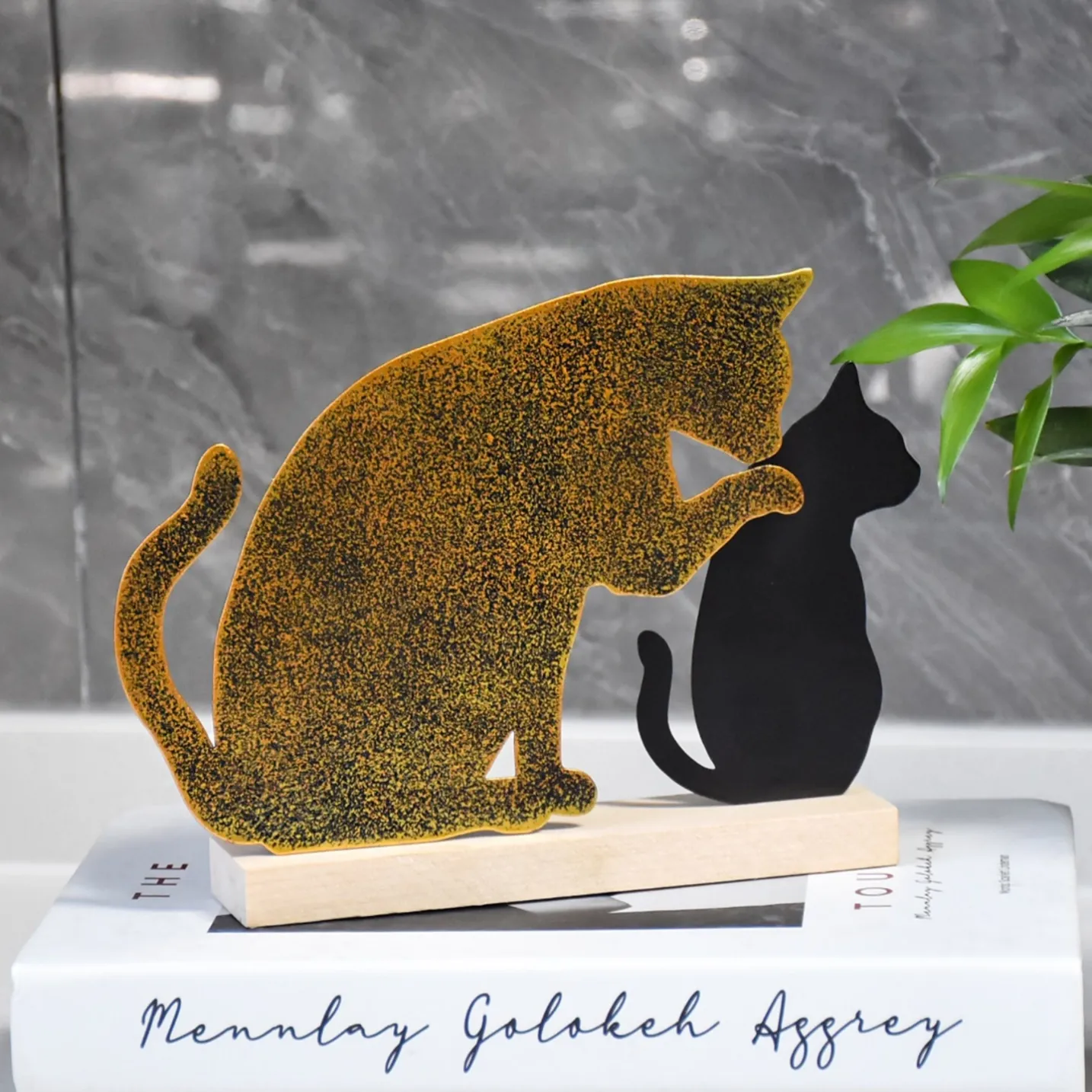
Metal art is artwork made primarily from metal, where shape, surface, texture or color creates an artistic expression. It includes freestanding sculptures, wall decorations, figurines and objects that combine decoration with a practical purpose. Iron and steel are common materials, alongside metals such as bronze, copper and aluminum.
The finished appearance tells only part of the story. A detailed animal sculpture may take its form from a mold, a tool worked across the surface or separate pieces shaped and joined by hand. Some artworks combine several of these methods.
To understand metal art more clearly, it helps to explore three approaches: casting, engraving and related surface decoration, and hand fabrication. These are useful ways to understand craftsmanship, rather than rigid categories that never overlap.
1. Casting: Creating Metal Art Through a Mold
Casting gives molten metal a defined shape by allowing it to solidify inside a mold. The American Foundry Society describes metalcasting as forming metal parts using molds made from materials including sand, metal or ceramic.
In iron art, casting can create a substantial three-dimensional form or an ornamental relief. The design is established through the pattern and mold, so decisions about shape begin before the metal is poured.
From the original design to a cast form
In sand casting, a pattern helps form a cavity in molding sand. Where the design requires internal spaces, cores may also be involved. The mold is prepared, metal is melted and poured, and the casting is removed after it has solidified. The Steel Founders' Society of America explains these stages in its overview of sand casting.
The metal coming out of a mold is not necessarily a finished artwork. Foundry cleaning, removal of excess casting material and further surface work may be needed before the object receives its final finish.
This distinction matters when describing a detailed statue. A raised pattern might have been formed in the mold rather than individually carved into the finished metal. Both involve design and skill, but they are different processes.
Casting is different from forging
Casting starts with liquid metal inside a mold. Forging shapes solid metal through applied force, often while it is heated. A cast-iron object and a forged piece should therefore not be described as if they were made in the same way.
Likewise, “iron art” is a broad decorative description, not a precise guarantee of material grade or manufacturing route. When comparing products, ask what the material actually is and which parts, if any, are cast.
2. Engraving and Sculptural Detail: Working the Metal Surface
Metal engraving cuts lines, patterns or lettering into a surface. It removes material to produce marks that become part of the design. Chiselling can also remove metal to develop decoration or relief. These methods differ from chasing, which shapes surface detail by pressing or tapping the metal without cutting it away. The Victoria and Albert Museum's metalworking guide explains these distinctions.
These techniques influence how an artwork catches light. A cut line, a recessed pattern and a raised area can produce different effects even before color is added.
The word “carved” should be used carefully. A textured metal animal is not automatically carved from one solid block. Its detail may be cast, pressed, chased, engraved or produced using several operations.
For a buyer, the useful question is how the visible detail was made. Clear process descriptions are more informative than treating every surface mark as evidence of hand engraving.
3. Handmade Ironwork: Shaping, Welding, Grinding and Coloring
Hand-fabricated metal art is built through a sequence of operations. Depending on the design, the maker may work with sheet, strip, wire, rod or other metal components. Individual parts are formed and assembled into the final composition.
Here, “handmade” does not necessarily mean that no tools or machines are used. The maker's judgment can guide the proportions, alignment, surface treatment and finishing while equipment assists the work.
Shaping establishes the character
Cutting and forming turn flat or straight material into curves, outlines and volumes. A rounded body, an open framework and a ribbon-like shape communicate different visual qualities.
The relationship between parts is important. Their spacing and orientation determine the silhouette, while the treatment of edges helps define whether the work appears crisp, flowing or deliberately textured.
This is one reason to look beyond the front photograph when considering a metal home sculpture. Side and rear views help explain how the composition occupies space.
Welding brings separate parts together
Welding can join components to form the structure of an artwork. In fusion welding, heat melts material at the joint, with or without added filler. TWI's explanation of fusion welding also notes its use in artwork.
For a sculptural design, joining is both a construction step and a visual decision: alignment determines how the assembled form reads. The appropriate welding process depends on the material and joint; it should not be guessed from the finished color.
A seam may be left visible as part of the expression or refined for a smoother transition. Neither appearance alone proves the quality or strength of a connection.
Grinding and polishing refine the surface
Grinding can remove unwanted surface projections and refine selected areas after cutting or joining. Polishing can develop a smoother, more reflective appearance. A maker may instead retain intentional texture when it contributes to the design.
Surface refinement should preserve the intended shape and detail. Removing every visible mark is not the goal for every artwork, and a glossy finish is not a universal measure of craftsmanship.
For buyers, useful checks include consistent edge treatment, the intended transition between parts and whether rough areas are deliberate features or unresolved finishing issues.
Preparation and color complete the visual effect
Before painting or coating, the metal surface needs preparation suited to the material and finish. Cleaning, removal of unsuitable residues and appropriate surface treatment help establish a sound foundation. TWI's surface-preparation guide explains why a coating depends on the condition of the surface beneath it.
Color can define separate features, emphasize texture or unite a complex shape. Brushed and sprayed finishes offer different ways to build that effect; primers, topcoats and curing requirements depend on the selected system.
A painted metal surface is not automatically suitable for every outdoor environment. Product-specific care guidance and documented coating performance matter more than a general claim that an item is “weatherproof.”
Understanding the Craft Behind the Finished Piece
Casting establishes form through a mold. Engraving and related techniques develop surface detail. Hand fabrication creates compositions through shaping, joining and finishing. An individual artwork may bring these approaches together.
When exploring Mloarts designs, the abstract metal ribbon sculpture offers an example of a composition to examine through its curves, frame and finish. Its appearance alone should not be used to infer a particular casting or engraving process.
For a specific model, ask Mloarts about the confirmed material, making process and care requirements. Understanding how a piece is made gives its design a clearer context—and helps you choose language that reflects the craft accurately.